


Z Route: Redemption
4.4233.00 Reviews
App Specs
- Version
- 1.37.06
- Updated On
- License
- Free
- Downloads
- 5,000,000+
- Developer
- 37GAMES GLOBAL
- Categories
- Strategy
- Platform
- Android
Screenshots
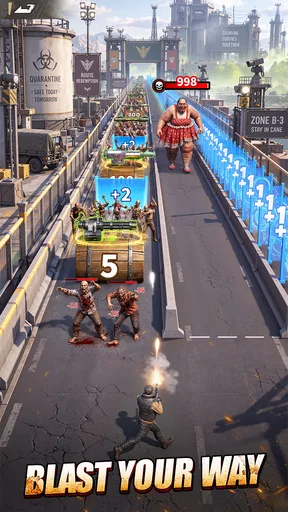
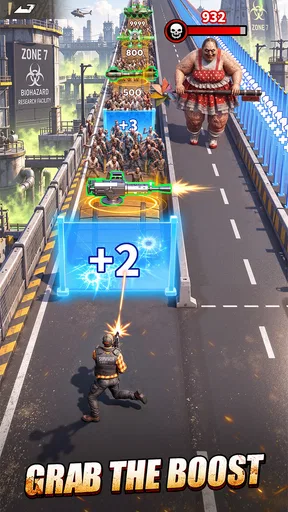
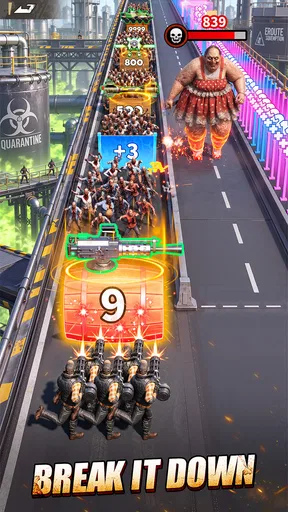
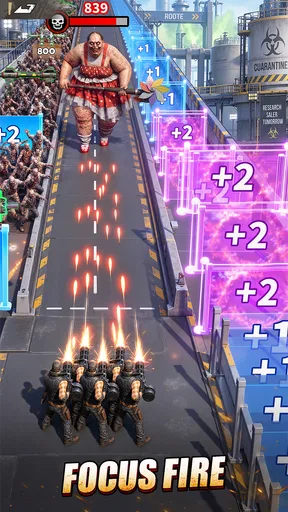
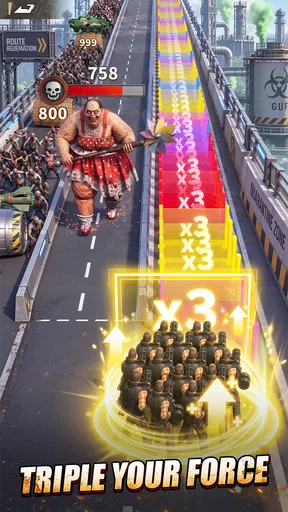
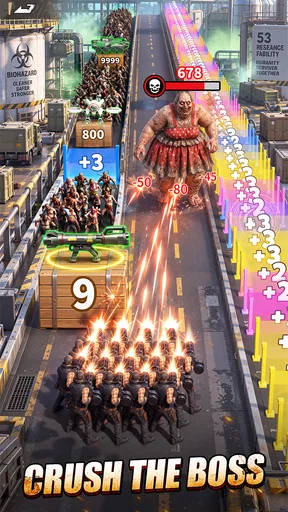
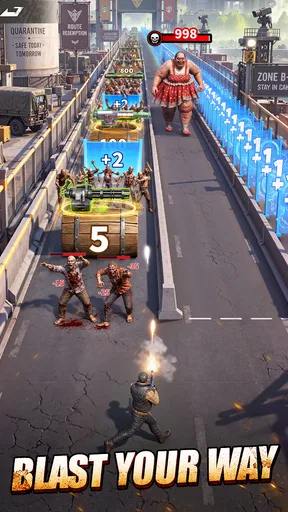
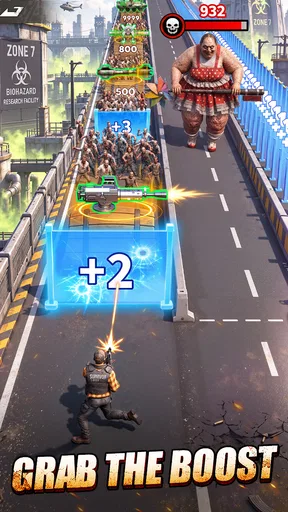
 Analysis by AppCompare
I’d choose Z Route: Redemption when I want a strategy game built around a tense, immediate decision rather than a sprawling campaign. Its premise, as presented, is easy to grasp: your route choices matter in a world facing collapse. That makes it appealing when I have a little time and want to weigh a choice, not learn a long list of systems before I can begin. The important question is whether that focused decision-making is what you enjoy. If you prefer deep city management, elaborate tactical battles, or a story you can follow at your own pace, another kind of strategy game may suit you better.
What kind of strategy experience are you choosing?
I’d frame this section around the kind of thinking you want from a strategy game, rather than the genre label alone. The key distinction is whether weighing a route sounds more appealing than managing a long-running operation or directing tactical encounters. That preference is a useful starting point before considering how the game might fit into a normal day.
Start with the sort of decisions you enjoy
Strategy games can ask for very different kinds of attention. Some are about managing resources over many sessions; others center on arranging units and solving combat encounters; still others make survival depend on choices made under pressure. Z Route sits most naturally in that last space. Its short store description points to choosing between routes and trying to endure the end, so I’d approach it expecting decision-led survival strategy rather than a traditional, open-ended management game.
That distinction matters more than the broad label. If you like pausing to consider which option has the least dangerous consequences, the central idea should feel inviting. If you want precise control over every character or a large sandbox to shape, you may find the premise too narrow. I wouldn’t install it expecting a familiar base-building loop simply because it is categorized as strategy.
There is also a practical question: how much concentration do you want to give a game on a typical day? A route-choice setup sounds easy to pick up in principle, but meaningful choices can still require attention. I’d save it for a break when I can read the options and think them through, rather than opening it while distracted and tapping through decisions just to get to the next screen.
A focused premise, not a promise of endless depth
The game is published by 37GAMES GLOBAL, and its framing gives the experience a clear point of entry: make a choice about where to go, then try to survive what follows. That clarity is a strength for anyone who finds dense strategy interfaces tiring. I can understand the appeal without first studying a guide or memorizing a complicated setting.
At the same time, a compact premise creates a test for replay value. The pleasure of a route-based game depends on whether choices lead to outcomes that feel consequential and whether I’m curious enough to try another path. I’d judge it by that loop, not by the dramatic wording around its end-of-world setting. If the decisions feel distinct, the narrow focus can become an advantage; if they begin to feel like repeated variations on the same choice, it may not hold my attention for long.
Worth Reading Before You Choose

EA SPORTS FC Mobile 26 Is a Bigger Football Game, but It Takes Time

Flipboard Shows What News Apps Must Do Beyond the Feed

Switching to Android Auto Means Rethinking Your Driving Routine

Google Calendar Makes a Crowded Week Easier to Manage

Ludo King Makes the Most of the Minutes Between Plans

Baby Panda World Brings Quick Play to Modern Phones, but Its Game Library Feels Busy
Where it stands out from familiar alternatives
Compared with a large strategy title that asks me to plan a settlement, maintain an economy, and keep several systems balanced, this is a more direct proposition. The route premise puts the decision itself in the foreground. That can make it a better fit for someone who wants a readable strategic challenge without committing to a long planning session every time they play.
It also differs from tactics games where the main pleasure comes from positioning units on a battlefield. Here, I’d focus on the consequences of choosing a direction, not assume that careful combat control is the central attraction. And unlike a relaxed narrative game, the survival framing suggests that a choice should carry tension. If you’re looking for a calm story with no pressure attached to decisions, a gentler narrative alternative is likely the safer pick.
That is a useful way to decide: think about whether you want strategy through route selection, through managing a persistent operation, or through tactical encounters. Z Route’s strongest identity is the first. It should not have to replace every strategy game in your library; it only needs to satisfy that particular mood.
How the experience may fit into everyday play
I find it helpful to think about attention as well as session length: choices are most satisfying when I can read them carefully and remember why I made them. This section looks at practical ways to approach a run without turning play into homework, and at the point where a quick mobile session may feel less convenient than expected.
When a short session makes sense
Picture a commute break or a quiet stretch before bed. You have enough time to focus, but not enough to manage a sprawling campaign. A game organized around choices about the way forward could fit that window well: I can give a decision my attention, see how the run develops, and stop when I reach a natural pause. That is a more convincing use case than trying to squeeze it into a moment when I can’t read or compare options.
A helpful habit in any choice-driven survival game is to treat each decision as a trade-off instead of searching for an obviously perfect answer. I’d note what a choice appears to protect and what it risks, then see whether my reasoning holds up later. This makes a run more interesting even if the outcome is unfavorable, because I can tell whether I misread the situation or simply accepted a risk.
Another useful approach is to avoid changing your strategy after every setback. If a route goes badly, it can be tempting to assume the game is arbitrary. Instead, I’d replay with one deliberate change at a time: choose a different direction, or respond differently to a kind of dilemma that previously caused trouble. That gives a clearer sense of whether the game rewards learning and planning, rather than random experimentation.
What to look for as you learn its choices
The first few decisions are a good test of whether the game communicates enough for you to make an informed call. I’d pay attention to the wording, the apparent stakes, and whether later consequences connect back to earlier choices. A useful decision feels uncertain but understandable; an unhelpful one feels like a guess because the game has not made the relevant trade-off clear.
For a more thoughtful run, I’d also keep track mentally of the kinds of risks I’m taking. Are you consistently choosing the faster-looking route, or favoring what seems safer in the moment? That simple self-check can help uncover a pattern in your decisions without needing a spreadsheet or external guide. It is especially useful if the game’s appeal for you comes from trying to survive through judgment rather than from collecting every possible outcome.
The trade-off is that this style can feel less expressive than a strategy game where you directly build, position, or customize a whole operation. If you want to see the results of careful layout or fine-grained control, route decisions may seem abstract. I’d choose it for the tension of deciding, not for the satisfaction of manipulating a complex board.
Who is likely to enjoy it—and who may not
I’d recommend giving it a look if you enjoy survival themes, like weighing imperfect options, and want a strategy game whose premise is easy to understand. Its audience rating is 4.4 from around 7,900 ratings, with about 233 written reviews, and the game has passed 5 million installs. Those figures suggest a substantial audience, but they don’t tell me whether its particular decision style will match your taste. The best test is whether the route-choice premise sounds fun to you.
It is rated Teen, so I would not treat it as a game intended for very young children. That rating is also a reminder that its end-of-world framing may not be the right mood for everyone. If you’re selecting a game for a family member, consider both the age rating and whether tense survival themes are welcome in that household.
I’d skip it if you mainly want a detailed real-time strategy experience, a large world to explore freely, or a low-stakes game to unwind with. Those preferences are not faults in the game; they point toward different kinds of play. A conventional management strategy game is a better match for long-term planning, while a tactical game is more appropriate if you want battles to be the main event.
A practical way to decide whether it suits your routine
For a quick test, I’d play when I can give the choices my attention, then ask myself two things afterward: did I understand why I made each call, and am I curious about what a different route might change? If both answers are yes, the game’s central loop is doing its job for me. If I mainly feel that I was clicking through unclear options, I’d stop rather than keep playing out of obligation.
This distinction also helps with session timing. A spare few minutes can be enough to consider a decision, but it may not be enough to enjoy a longer chain of consequences. I’d avoid starting when I know I’ll need to leave immediately, especially if I dislike stopping mid-run. Someone who wants a game that reliably delivers a complete, self-contained activity in every brief break may prefer a puzzle or turn-based title designed around that rhythm.
If you share a device with someone else, it is worth agreeing on whether they can continue your run or make choices for you. In a game built around personal judgment, an unexpected decision by another player can make the next outcome harder to interpret. Keeping one run to one player makes it easier to learn from your own choices, without needing to treat the game like a serious competitive commitment.
Cost, compatibility, and whether it is worth trying
I’d make the final choice by weighing the no-cost entry point against the optional purchases, then checking that the device meets the Android requirement. Those are simple checks, but they do not answer the more personal question of whether route-based decisions hold your interest. The sections ahead bring those practical details together into a grounded recommendation.
Free to start, with purchases to consider
Z Route is free to download, though it includes in-app purchases priced from $0.99 to $99.99 per item. I’d set a simple boundary before playing: enjoy the core experience first, and only consider spending if a purchase solves a problem you genuinely care about. The presence of optional purchases does not by itself tell me how much they affect progression, so I wouldn’t assume either that spending is necessary or that it has no influence.
For anyone managing a household budget or a child’s device, the practical step is to review purchase controls before handing the phone over. The displayed range is wide enough that a casual tap should not be treated as harmless. On the other hand, if you’re comfortable with free games that offer optional paid items, the download price makes it easy to see whether the central loop suits you before deciding whether to spend anything.
Version and device fit
The current version is 1.37.06, and the minimum Android requirement is 6.0. That gives Android users a straightforward compatibility check: confirm the device meets that operating-system requirement before installing. The game is listed as free, so the main commitment is your time rather than an upfront purchase, although in-app spending remains a separate consideration.
If you are switching from another strategy game, the bigger cost is not moving a save or learning a complicated rulebook; it is adjusting your expectations. Someone used to long-term resource planning may initially look for systems that are not central to a route-focused game. I’d give the core choices a fair chance before judging it by the standards of a base builder or tactics title. If what you actually want is control over a persistent empire, though, it makes more sense to choose that genre from the start.
Availability and expectations
With more than 5 million installs, it is not an obscure experiment, but popularity alone is a poor reason to keep a game that does not suit your habits. I’d treat the free download as a low-commitment way to test the decision loop, not as proof that the experience will match every strategy fan’s preferences. The version number, 1.37.06, is useful when checking that you have the current release, while the Android 6.0 minimum offers a quick first check for device compatibility.
The game was released on August 18, 2026, and is developed by 37GAMES GLOBAL. I’d still make the decision based on the kind of play it offers rather than its release timing or developer name: neither tells me whether I’ll enjoy weighing routes. For readers choosing between this and a management or tactics game, the deciding factor is where they want their attention to go—toward successive choices, a persistent system, or direct encounters.
My recommendation
I’d try it if you want a compact strategy experience where deciding which way to go is the central source of tension. That is the clearest reason to choose Z Route: Redemption over a more conventional strategy alternative. It has a focused survival premise, a free entry point, and a broad enough audience that it is easy to explore, while still asking you to decide whether route-based choices are the kind of challenge you enjoy.
I would not make it my first recommendation for someone seeking deep tactical control, elaborate management, or a gentle story. Those players will probably be happier with a game built around those specific strengths. But if you like making a call with incomplete certainty, learning from the consequences, and seeing whether a different path leads to a better outcome, this is a sensible game to try. I’d start without spending, play attentively enough to understand the decisions, and keep it only if the choices—not just the survival theme—make me want another run.
My bottom line is straightforward: choose it for the route decisions, not because you expect it to cover every kind of strategy play. If that focused tension fits the way you like to use your phone, it is worth giving a fair trial. If you would rather build, command, or explore at your own pace, there are better-fitting alternatives for that particular mood.
Pros
- Distinctive post-apocalyptic setting gives the journey a strong sense of atmosphere.
- Story-driven missions provide a clear purpose beyond simply racing.
- Vehicle upgrades offer a satisfying way to prepare for tougher challenges.
- Varied routes help keep successive driving stages from feeling identical.
- A good fit for players who enjoy action games with a driving focus.
Cons
- Some missions may feel repetitive once the route and objectives become familiar.
- Driving controls can take time to get used to
- especially during tense sections.
- Progression may require patience if upgrades are needed for later challenges.
- The bleak setting and action may not appeal to casual or younger players.
- Performance and visual quality can vary depending on the device.
FAQs for Z Route: Redemption
What is Z Route: Redemption about?
Z Route: Redemption is a zombie-themed game built around surviving dangerous routes and facing undead enemies. Its central appeal is the combination of action and progression: players move through threats, make use of available equipment, and work toward further challenges. The exact story, mission variety, and available modes can depend on the version you download, so check the store listing and in-game description for the current details before installing.
How does the gameplay work?
Gameplay focuses on navigating encounters with zombies and using the controls and resources provided by the game to survive. As with many mobile action games, the experience may involve completing stages, improving your character or gear, and taking on tougher enemies over time. Controls, pacing, and progression are best assessed on your device, and some features may vary between Android and iOS or change with updates.
Is Z Route: Redemption free to download, and does it include purchases?
The price and monetization model can vary by platform, region, and store listing. Before downloading, check whether the app is free or paid and review its in-app purchase information. Free-to-download games may offer optional purchases, advertising, or other progression systems, but these details should not be assumed without checking the current listing. If you are setting up the game for a child, review purchase controls and parental settings as well.
Can I play Z Route: Redemption offline?
Offline availability is not something to assume from the game’s genre or download page. Some mobile games allow solo play without a connection, while others require internet access for launching, saving progress, ads, events, or account features. Check the store description and test the game’s requirements before relying on it for travel or limited-connectivity situations. Also consider that updates or online services may affect access to particular features.
What should I check before installing Z Route: Redemption?
Check that your phone meets the current operating-system and storage requirements shown on its official app-store page, and make sure you have enough space for both installation and updates. Review the listed developer, recent update information, permissions, privacy details, age rating, and user feedback. Availability and features can differ by region or device, so use the official Google Play or Apple App Store listing to confirm compatibility and download the authentic release.


